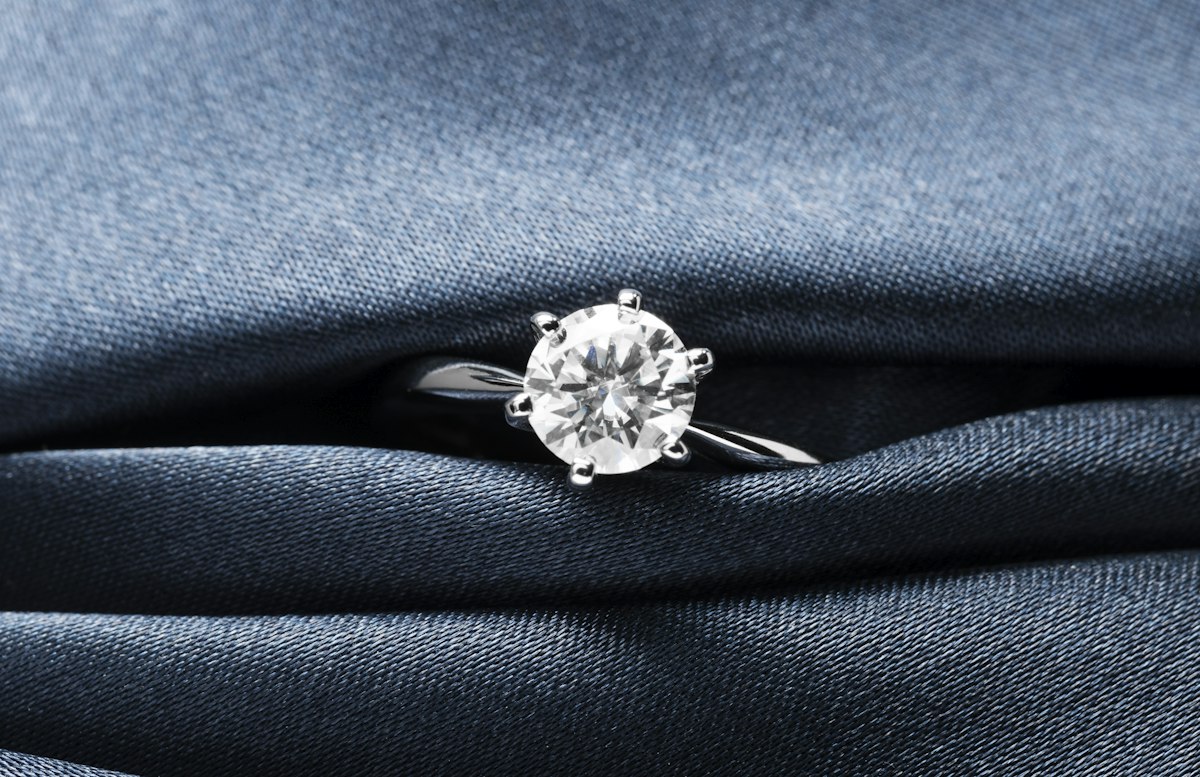
Lab-created diamonds have moved firmly into the mainstream, and many couples now start their ring search with them rather than treating them as an alternative. If you are new to the topic, it helps to understand how these diamonds are made, how they are graded, and what they mean for value and care over the years.
How Lab-Created Diamonds Are Made
There are two main methods. HPHT, or high pressure high temperature, recreates the crushing pressure and heat found deep in the earth. CVD, or chemical vapor deposition, builds a diamond layer by layer from carbon-rich gas inside a sealed chamber. Both produce real diamonds with the same crystal structure, hardness and optical properties as mined stones.
Some jewelers sell their lab-grown stones under their own brand names. For example, EX3 Created Diamonds engagement rings use lab-grown center stones in a range of classic and modern settings.
Reading the Certificate
A lab-created diamond should come with a grading report, just like a mined one. IGI grades a large share of lab-grown diamonds, and GIA also grades them. The report should clearly state that the stone is laboratory grown and list its carat weight, color, clarity, cut grade, measurements and any laser inscription on the girdle.
Check that the inscription number matches the report. It is a simple step that confirms you are getting exactly the stone described.
Is a Lab-Created Diamond Good Value?
For appearance per dollar, lab-created diamonds are hard to beat. A lab stone with the same carat, color and clarity as a mined diamond typically costs much less, so you can choose a larger size or higher grade without raising your budget. The trade-off is resale value: lab-created diamonds usually resell for very little, and prices for new stones have dropped over time.
If you plan to keep your ring for life, resale rarely matters. If you think of a diamond as a store of value, a mined stone may suit you better.
Grades Worth Targeting
Because lab stones cost less, it is easier to aim high where it counts:
- Cut: Excellent or Ideal for maximum sparkle
- Color: D to G for a crisp white look
- Clarity: VS1 or VS2 for an eye-clean stone
Going higher than this adds cost without a difference you can see.
Ethical and Environmental Questions
Lab-created diamonds avoid mining, which appeals to many buyers. They still use significant energy to produce, so their environmental footprint depends on the energy source used by the grower. If this matters to you, ask the seller what they know about their supply chain.
Long-Term Care
A lab-created diamond is as hard and durable as a mined one, so care is identical. Clean it every few weeks with warm water, mild dish soap and a soft toothbrush. Have the prongs checked once a year, since loose prongs are the most common cause of lost stones. Remove the ring for heavy lifting, gardening and the gym.
When you are ready to compare settings, look at a selection of lab-created diamond engagement rings in solitaire, halo and three stone styles.
Final Thoughts
A lab-created diamond gives you the beauty and durability of a mined stone at a lower price. Ask for a grading report, check the inscription, set sensible grade targets, and care for it like any fine diamond. The result is a ring you can wear with confidence for decades.